
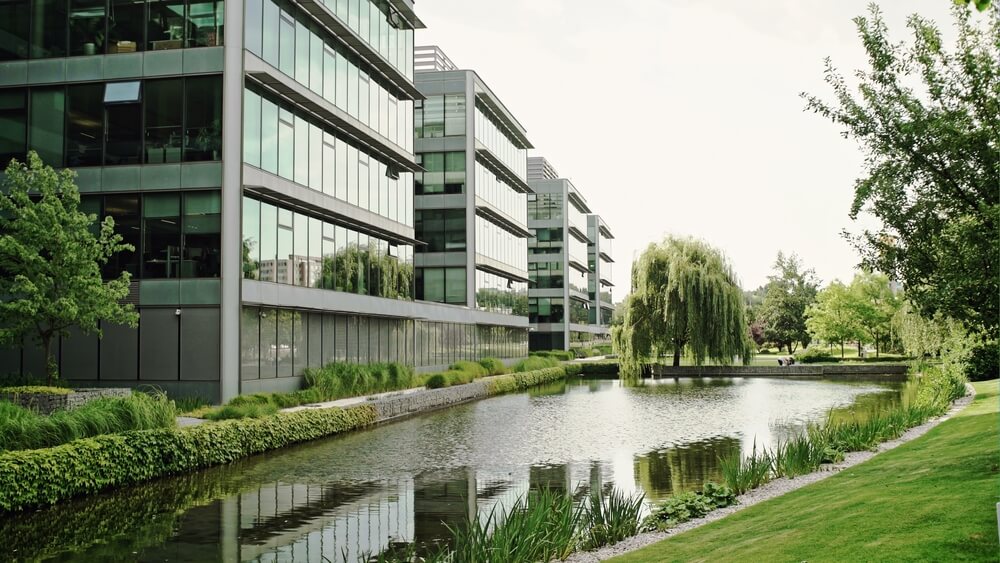
The winner of the 2025 Royal Institute of British Architects' (Riba) Stirling Prize was a modern Almshouse, providing affordable flats for over-65s. It was commended for its communal facilities which include a roof garden and planting which gives the sense of a woodland oasis – beating a shortlist that included the restoration of the Big Ben tower.
As awareness of nature depletion grows in the UK, the focus has moved beyond making sure that developments do not damage wildlife and habitats. In many cases, the law goes further and requires property developers to take measures to enhance the biodiversity of a site.
While some of the regulation focuses on development of housing and infrastructure, someone developing business property cannot ignore the issue of wildlife. Knowing what to expect and planning ahead could stop your development being derailed, so get advice from your solicitor as early as possible when making strategic development plans for your business premises or land.
‘Landlords and developers may see bats and newts as their worst enemies, but there are other aspects to nature conservation which may need consideration,’ says Douglas Godwin, Partner and Head of Rural Services and Commercial Property team with QualitySolicitors Parkinson Wright. ‘It is vital to consider the impact of any development on wildlife and the environment; but the good news is that this could make your finished development much more appealing to potential buyers and tenants.’
Douglas outlines some of the things commercial property owners and developers should consider.
Benefits of including wildlife measures in your development
You may wish to incorporate natural elements as part of your commercial estate or development plans, beyond just complying with the law. If you can show that you want to work in harmony with the local environment, you may find it easier to get consent for your development plans and it could enhance your reputation in the community.
There may also be economic benefits, if the property is more attractive to prospective tenants. Sites that include wildflower meadows, nesting boxes, roof gardens, a green roof, beehives and bug hotels tend to be popular with occupiers, because they create a better environment in which to live and work.
Employers now take their employees’ well-being more seriously than ever, so providing them with green space and wildlife to enjoy during their working day could be a very attractive feature, especially if they are trying to get employees back into the office.
Some ways of incorporating wildlife into a development may require more maintenance than others. As a landlord, you will want to make sure that you can recover the costs that you incur through the service charge paid by your tenants. Your solicitor may need to adapt the service charge provisions in any draft leases to make sure that any wildlife and nature measures that you plan to include will be covered. They may also need to negotiate whether you can recover the cost of replacing plants that die. Service charge provisions usually limit landlords to recovering the cost of things that are beyond repair, but that concept does not really fit with green roofs or living walls, so your solicitor may need to draft something specific.
They may also need to check that the lease gives you any rights you may need to maintain a green roof or living walls that form part of the building. As it is not yet commonplace to have these features as part of the structure, this may be another area where you need bespoke drafting.
Protected sites and habitats
Before you commit to buying a development site, you should ask your solicitor to advise you about any site designations that might affect it. There are major European designations that still apply post-Brexit (Special Areas of Conservation and Special Protection Areas) as well as Sites of Special Scientific Interest under the law of England and Wales. Any of these designations will limit the possibility of developing and you would need an expert team to help you, including your solicitor.
If you have avoided any of these areas, you should check for any local wildlife sites. These are wildlife-rich sites which may be owned and managed by local authorities, charities, or private landowners, and are designated based on criteria including the range of species and their contribution to nature conservation in their particular location. According to the Wildlife Trusts, these local sites cover around 5 per cent of England but can be more concentrated in some areas than others. They have no statutory protection, but a site will have been designated in conjunction with the local authority, so they will be taken into account if you apply for planning permission for a development.
Hedgerows are another specific habitat to look out for. Some hedgerows are protected, so you need expert advice if you think your development might involve removing all or part of a hedge.
Protected plants and animals
While there are clear records of designated sites, it is harder to check for any protected species on a development site. This is where it may be worth getting an expert ecological survey. Protected plants include trees of a certain age and some orchids; and a range of animals including bats, great crested newts, badgers, water voles and dormice. You may not be able to spot the presence of these species yourself. Even an expert survey does not guarantee you have the full picture, because it is possible for some of these species to move to your site even if they were not there when you bought it. If they are on your site, you may be prohibited from interfering with them or you may need a special licence to move them, both of which will add time and cost to your development plans. Your solicitor can advise you if you find yourself in this situation.
Biodiversity net gain
Since 2024, many developments are caught by new rules on improving biodiversity. Broadly, developers are required to show that the biodiversity of the site once the development is complete is at least 10 per cent greater than before the development began. Again, your solicitor will be able to advise on how these rules apply to your particular site and what your options are for complying. It is worth thinking about the nature of your site before you start – it may be easier to improve the biodiversity of an outdated existing development than if you start with a greenfield site. If you have land to spare, you could consider using it to offer biodiversity units to other developers who cannot satisfy the 10 per cent uplift on their own land. You will probably need to partner with a specialist operator. These tend to be long-term arrangements, so you should involve your solicitor in any negotiations, to make sure you get the best deal and fully understand your rights and obligations.
How we can help
Fundamentally, we all know how important it is to do what we can to protect wildlife and biodiversity and making sure you think about it as part of your commercial estate management or development means you will be doing your bit.
If you are unsure where to start with biodiversity or need advice on how your site might be affected by rules on wildlife and nature conservation, our expert lawyers are here to help you. For further information, please contact Douglas Godwin or a member of the commercial property team on 01905 721600 or email worcester@parkinsonwright.co.uk
This article is for general information only and does not constitute legal or professional advice. Please note that the law may have changed since this article was published.